The Real Cost of Being Unprepared After High School
A math tutor who works with trade students says the bar for a high school diploma has never been lower — and he's watching the consequences walk into apprenticeship programs every week.
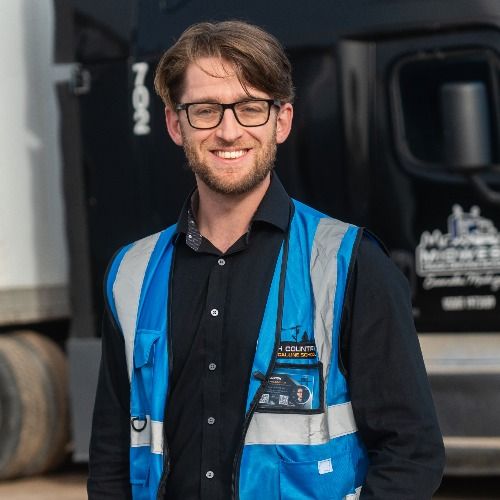
Our guest this week, Kent King, has taught public school, run GED prep in a county jail, and now tutors math for our students. He sees what happens when students who "passed" high school meet the math the trades actually demand. This one's a direct conversation about personal responsibility, what schools stopped doing, and why the next generation of tradespeople is going to have to prepare themselves.
🔗 LINKS
Listen wherever your get your podcasts: https://built-in-the-midwest.captivate.fm/listen
Midwest Truck Driving School: midwesttruckdrivingschool.com
North Country Heavy Equipment & Electrical Line School: https://ncheschool.com/
Submit your Questions: https://webforms.pipedrive.com/f/6WfGT9X1zlYC6WvssJqfWxOOkvVa1AjzqgnAIIHOq70WWiNo5czEWXpBMqxVTW7UST
💬 CONNECT
Email: marketing@midwesttruckdrivingschool.com
Facebook: https://www.facebook.com/CDLMidwest
Instagram: https://www.instagram.com/midwesttruckdrivingschool/
Transcript
The bar has never been lower.
Speaker A:Graduation rates have risen.
Speaker A:It all looks good.
Speaker A:And they're kind of the most unprepared that I've ever seen them.
Speaker B:There's a lot of people that are going to be bottom of the pile and I'm going to get ahead of them because I'm going to outwork all of them.
Speaker A:Life's competition.
Speaker A:Someone's always going to want what you want.
Speaker A:End of story.
Speaker B:You can spend the rest of your life blaming your parents, your town, your teachers, your friends, Covid, whatever, it doesn't matter.
Speaker B:There is always going to be something that creates challenges and it becomes up to us to figure out how we navigate them.
Speaker B:If you're thinking about a career in the trades and you want to know what employers actually look for, what the work is really like, and what nobody tells you before you get started, you're in the right place.
Speaker B:Built in the Midwest features conversations that'll help you figure out if this path is for you.
Speaker B:Today we've got on Kent King.
Speaker B:He's a teacher, a professor at Bay College.
Speaker B:He's.
Speaker B:No, not a professor teacher.
Speaker A:I have a math tutoring business.
Speaker A:And that's.
Speaker A:Yeah, that's about.
Speaker B:All right, that's not.
Speaker B:Not a professor.
Speaker B:But you, you've taught at a variety of levels.
Speaker A:Yeah.
Speaker B:You have seen education in kind of varying degrees.
Speaker B:And what we're going to be talking about today is how it relates to the trades, kind of the, the nature of the change of education of people who have left high school in recent years, who are in high school now, who are looking at, oh, my God, I'm going to have to make choices about what I do with the rest of my life.
Speaker B:Do I enter the trays and what that is going to look like if they choose to go down the blue collar route of you actually do need to have some of the skills that you should have learned in high school.
Speaker B:Why some of that is not taking root, some of the changes that maybe you've seen over time and what you've seen in relation to being a resource here at our school as a math tutor for our different programs, including our alignment program and so on.
Speaker B:So super excited to have you on, Ken.
Speaker A:Yeah, excited to be here.
Speaker A:Excited to be here.
Speaker B:Awesome.
Speaker B:So give us some background.
Speaker B:You are not a professor.
Speaker B:Leave us alone, bae.
Speaker B:Give us some background of kind of where you've taught and what that's looked like.
Speaker A:Yeah.
Speaker A:So coming out of college myself as a teacher, I taught five years in public school at Gladstone High School and then I transitioned into the alternative school in North Menominee County Community schools, where we do alternative and adult education.
Speaker A:So what that's kind of opened my, my realm into is I've done GED training with inmates at the Delta County Jail to get their ged, you know, their GED diploma or ged.
Speaker A:And also we work with credit recovery to help students get their diplomas as well.
Speaker A:So I've kind of seen, I guess the traditional school that public school that a lot of people.
Speaker A:But then also what does that.
Speaker A:When you start falling behind, what does that look like for other students as well.
Speaker A:Along as far as adults as well.
Speaker B:Absolutely.
Speaker A:So.
Speaker B:So you have taught at a couple different levels with people at different skill levels, different backgrounds with that experience.
Speaker B:Have you noticed a difference between those who have left high school or completed their high school education maybe within the last handful of years to those that were maybe in school longer ago to has there been any sort of shift?
Speaker A:Yes, and unfortunately it's not shifting in the right direction.
Speaker A:Um, traditionally someone fresh out of high school, say for like a ASVAP or an app, like when I'm helping them with one of those, or like a first year college class in the past, they were usually pretty prepared, they had a good baseline and it was refining some skills and getting them there.
Speaker A:Um, which unfortunately with kind of the trend of online learning, online classes, kind of this way, that way, students, again, AI advances technology, students just there's other ways to find the answers besides learning it.
Speaker A:And kids are going to go path of least resistance when they're, you know, 14, 15, 16, 17 years old.
Speaker A:So unfortunately they're just coming out of high school not very prepared for much as far as on an academic level.
Speaker B:I feel like I heard a lot of this debate when I was in school, pre AI being like a real thing.
Speaker B:I mean, it was very conceptual then.
Speaker B:And this is 12, 13 years ago.
Speaker B:14, 15 Years ago.
Speaker B:Oh my God.
Speaker B:All right, hold on.
Speaker B:Where the previous generation would like, well, kids are just going to use their calculator where they had to do it in their head around paper.
Speaker B:Well, now you have a calculator doing it.
Speaker B:And they would try and force false restrictions where they wouldn't let you use it with the intent of, well, you're going to have to learn to calculate this stuff by hand or what if you don't have a calculator?
Speaker B:We always heard that, but then it was like, all right, when in our modern era are we ever going to be without that thing?
Speaker B:Like, the point is to have a tool to be able to do more in less time.
Speaker B:Why am I doing hand calculations on a chalkboard?
Speaker B:Like I'm not going to be doing that day to day.
Speaker B:But I think there is a, we have gotten to a point where maybe there is some wisdom to.
Speaker B:You can't just have it completely solved for you.
Speaker B:You got to be able to at least recognize what you would have to do to solve it rather than click and outsourcing your thoughts.
Speaker B:But I do hear from those that, you know, we have these tools available.
Speaker B:Why?
Speaker B:What is the value, what is the value in learning these things when it might not be applicable?
Speaker B:I'm curious as an educator, like, how does that kind of shortcut path stem into other areas?
Speaker A:Yeah, and I think really that's a great question because that is the question that's going to be ahead of us in education for the next couple years.
Speaker A:Because the traditional way of go to class, learn a lesson, do homework, do a test, test your knowledge and then rinse and repeat.
Speaker A:And that's, that's with advances of technology that was designed for, you know, 70, 80 years ago where, you know, Google started, you know, the Internet started it, we could get information, but like AI, within the last five years.
Speaker A:Because I, I will say this, I use it a lot because what would take me an hour or two, it can kick out in five minutes if I prompt it right and just give it.
Speaker A:So I'm not against it because it is efficient, but the, the pro, I guess where it lies though is I then can fact check.
Speaker A:I know what I'm looking for.
Speaker A:I can read through it, I can tweak it.
Speaker A:I know what I actually want.
Speaker A:I just want the efficiency of it, to create it quicker so I don't have to create it for an hour.
Speaker A:Or if you don't have that knowledge to know whether or not it's right to check it, you're then blindly leading by technology telling you, which you know, for traditional education, unfortunately that that is enough.
Speaker A:You get the right answers, you turn in your homework, you can, you know, you can, you can make your way through with a computer telling you, but then you get into like the trades and you get into the real life applications of this.
Speaker A:And now you don't know how to budget, you don't know how to, you know, you talk to trades, you don't know slopes, that's, you know, plumbing.
Speaker A:You got to have to proper slope pitch for the drainage, you know, roofing, construction, angles, all the things.
Speaker A:You know, there's a lot of math specifically in the trades in life that if you depend too much for too long on the AI to get you through or, you know, any, any alternative source.
Speaker A:You're just not going to know how to apply any of that when you get out to the real world.
Speaker A:And that's the scary part is it can get you the piece of paper, it can get you to diploma now pretty easily.
Speaker A:But then when you're off to the next part, it used to be the benchmark of proficiency.
Speaker A:I know enough that I can then get a high school diploma.
Speaker A:And you see the same with colleges as far as bachelor's degrees and master's and you know, there used to be benchmarks to where like, whoa, you have a master's.
Speaker A:You then must have put that time and energy.
Speaker B:Yeah.
Speaker A:And unfortunately, with the way online learning I see it in, you know, in class, unfortunately is it's copy, paste, click, all the answers are out there.
Speaker A:So they just, they plug it into the worldwide of Internet.
Speaker A:Internet tells them the answer, it's right and then they move on.
Speaker A:Yeah.
Speaker A:Which, you know, in the educational terms, you haven't got any progress at all.
Speaker A:Yeah, copy, paste and click.
Speaker A:So it's scary as far as what, you know, if we don't make changes in education as far as how to apply what's available because like you said, calculator is always, AI is not going away and it is going to only advance and it's probably going to take a lot of white collar jobs with how quick it's getting advanced, where now the value of, of the worker is going to be how do you apply, how do you, how can you use those resources?
Speaker A:The value used to be, oh, Kent's here.
Speaker A:He could figure out this answer because he knows math well, there's going to be enough people with enough reason the computer will be able to figure it out.
Speaker A:But now that you have the solution, what do you do with it?
Speaker A:You got to be able to understand what that actually means and what to go from there.
Speaker B:Yeah, I think there are implications that will take a long time to play out, but there are the warning signs, I think now of the beautiful thing of AI is it's an amazing tool for things of little consequence in that if it's something that you normally wouldn't be able to do.
Speaker B:For example, I don't know anything about coding, but with AI I can get a little scrappy and creative and think through something and it can build me something quite quickly and it'll be functional, it'll work.
Speaker B:Should I ship it to a global audience?
Speaker B:No, the security is going to suck it's going to get like there's a lot of problems with it, but I wouldn't be able to do it otherwise.
Speaker B:And so long as we understand the constraints and limitations of.
Speaker B:If you don't have the skill and experience to recognize the faults of or the shortcomings of something, which is really where experience matters.
Speaker B:Like if there is a high cost of getting it wrong, like when you're creating a building or you are repairing power lines or your core infrastructure or your life is on the line, well, you should probably have the manual skill to be able to do it without assistance.
Speaker B:And then assuming you have that and you use something to just get there a little quicker.
Speaker B:Amazing.
Speaker B:I think there's a lot of room for human resource augmentation with artificial intelligence rather than trying to just outsource the ability entirely and try and create some perception of our own competence without any of the evidence to back it up.
Speaker A:Yeah, and you think, you think of trades specifically is, you know, math and trades will either make, make you or lose your money.
Speaker A:If you can't estimate your time, if you, if you can't figure out material costs, if you can't, you know, if you can't do the math to figure out profit margins on a job that you're bidding, well, that's, you're going to be in a tough spot.
Speaker A:So you got to know the math there.
Speaker A:On the financial end, you have the safety end of you need to know what's within the realm of load capacity and all the, you know, like the things so you don't get someone killed.
Speaker A:So you have your, the money, the safety and then you just kind of have.
Speaker A:Yeah.
Speaker A:The efficiency like it, if you can't, if you have to rely on something else all the time, you're not going to be efficient at it because then you'll be, you know, down in a crawl space looking at something and you'll go, oh, like you know, there though it, you'll have the capability of always looking up.
Speaker A:It won't be in, in the, you know, the job right there, which need to be efficient with that.
Speaker A:And when you think of that on like an employability aspect, you're just going to become more valuable of an asset to a job if you have those abilities.
Speaker A:And that's where unfortunately, but I'm trying to push to all my students now is that the bar has never been lower, unfortunately to obtain a diploma.
Speaker A:I don't want to go down too much of a rabbit hole there, but the bar has been lowered to where if you can Just if you can apply it, if you can just work hard, if you can just have like kind of the basics, but you know, you're, you're there, you're going to have a lot of opportunity in the future as far as jobs because unfortunately, like, it's just, there's such a reliance on the easy route that the, the rarity is going to be the one that can put the boots on and go to work a 12 hour shift.
Speaker A:That's where the future lies because the rest will be filtered out a little bit of like, just convenience and like everyone will be able to do those jobs that don't require you to work hard.
Speaker B:So that the work hard comment, I heard someone just the other day make a comment that I've heard it said and directed for a number of years, like, this young generation doesn't want to work.
Speaker B:I fundamentally disagree with that because I think it's a very narrow view of a broad group of people and I think there's something bigger happening rather than just a lack of desire or motivation because every older generation has always looked at the next generation like, you're lazy, you're entitled, you suck.
Speaker B:We had it harder, okay?
Speaker B:Just because you had to fight polio doesn't mean that I don't want to show up to work.
Speaker B:It's a broad generalization that doesn't suit anyone.
Speaker B:But when you look at today's generation, what they have to filter through and contend with, they can access the Internet, they can see that the job market is not rosy.
Speaker B:Like they might be looking at a college career or a college program today.
Speaker B:And in four years from now, that job won't be real.
Speaker B:It won't exist anymore.
Speaker B:And they're aware of that.
Speaker B:So I think there is a, an inherent risk, adversity to commitment towards things.
Speaker B:We're like, why should I work hard at this when I don't matter?
Speaker B:I'm going to get replaced.
Speaker B:The promises made to every generation preceding me have been unmet in pretty much every reasonable way.
Speaker B:So I think what have you seen in students?
Speaker B:Is it, is it simpler than what I'm thinking?
Speaker B:Is that like people just don't want to work or apply themselves or is it something bigger?
Speaker A:Good question.
Speaker A:Because I think there really is, I guess I think there's.
Speaker A:I see it in two parts.
Speaker A:Sure.
Speaker A:So one, I, I don't think it's a generational work ethic thing.
Speaker A:I think it's a societal, I'll say that I don't think it's just the younger.
Speaker A:There's hard Workers and there's, you know, at every age level.
Speaker A:But I think we're trending as a society where I do truly believe that what we say is efficient has become a little laziness.
Speaker A:Like we're, I don't think people are willing to work as hard as say 20, 30 years ago.
Speaker A:I think people want convenience more than they want discomfort.
Speaker A:I think that's the trend more so, so I, you know, and I don't think there's an age restriction on that.
Speaker A:So I, I do think unfortunately that in just watching like the amount of grit call it like when things get hard, there's a lot of people that are like ah, there's more options, sure.
Speaker A:And like it to actually withstand all the discomfort to achieve something I think is becoming more rare and the path of least resistance is kind of trending in, in all aspects, not just with the kids, but on a like education of what I'm seeing with the kids as far as what they want.
Speaker A:There is a huge trend in the trades because again it's like anything though.
Speaker A:Like I originally went for actuarial science and I was like I'm going to become an actuary.
Speaker A:I looked at the how much you can make.
Speaker A:I was like there we go, I'll be that.
Speaker A:Like I'm good at math, I'll just be that.
Speaker A:But then it got to the point where I actually, you know, was starting to go to college for it and I hit that point where I'm like, do I really want to be an actuary?
Speaker A:Like sure, it looks good on paper but what does that job actually entail?
Speaker A:What am I doing every day?
Speaker A:And for me I started coaching kids and that brought me down the path of education because I was like, wow, if I can get paid doing this, like I enjoy this every day.
Speaker A:This is a job for me to where that kind of shifted me into what would I actually do on a day to day basis.
Speaker A:And I think a lot of kids are trending in the trade route but I don't think they're truly thinking about what is that day to day.
Speaker A:So I do think you'll see a large scale of applicants into the trades a lot.
Speaker A: u know, you said you're about: Speaker A:So we were all sold to go to college.
Speaker A:Go to college, get a really good job and you're set for life.
Speaker A:Well, I don't know about you, I still have student loans that are hindering my life right now.
Speaker A:Still so you know, I think they've woken up to that as all of us kind of like because college is now skyrocketing in price and what is in the value with again, I, I, I'm not completely against online learning because someone that's ambitious, all the information is there, they can learn it.
Speaker A:I just think if you're going to pay 12, 15, 20,000 and it's going to be online and you can copy, paste, click, you're paying for a piece of paper at that point.
Speaker B:Yeah.
Speaker A:So I don't think kids, I think kids are aware of that.
Speaker A:They want something that they can actually see stability in in the future and trades offers that.
Speaker A:Now that gets to the whole other rabbit hole of like, are they then preparing necessary to excel in trades in unfortunately schools, the way it's structured is really college bound.
Speaker A:They push the college bound.
Speaker A:The curriculum, you know, your minimal requirements are all geared to push people towards college.
Speaker A:Which that's where traditionally I hear students say, you know, the struggling ones, a lot of them will say like I'm not good at math.
Speaker A:But I really just think they haven't found a, a way to apply math to what they're interested in.
Speaker A:Yeah, you know, they're just not interested in the traditional find X for what they want to, I want to, they want problems like, hey, if you had to dig a ditch and it had this much runoff and this, you know.
Speaker A:Well, now they're interested because now it's an applied situation.
Speaker A:Yeah.
Speaker A:So, yeah, I think, I think with the disinterest of how it's currently set up in the high school area specifically, it's, there's not a whole lot of options there are there, There is a push there too though.
Speaker A:There's additional funding.
Speaker A:They're trying to get the trades and ISDs or you know, they're trying to beef that up because they, they can see the wave coming too.
Speaker A:So I think, you know, as it plays out in the future, but unfortunately, like they're still going to then have to revamp what those standards look like for a diploma because why not then start a mini apprenticeship at age 16 if you're already interested in that, why take Spanish for two years?
Speaker B:Sure.
Speaker A:Kind of thing.
Speaker B:Yeah.
Speaker B:The lack of application I think gets a lot of people because I mean this is what I experienced in high school.
Speaker B:Like, all right, I have to take geometry.
Speaker B:Why?
Speaker B:What am I going to do with this?
Speaker B:Well, you have to know it.
Speaker B:Why?
Speaker B:Because the state says so.
Speaker B:Okay.
Speaker B:And then you muddle through it and you try to absorb Theory with nothing to grasp onto.
Speaker B:It's just purely conceptual.
Speaker B:The whole time you're like, this is a waste of time.
Speaker B:So you're already not motivated to get it.
Speaker B:I mean, you're like, I just need to do okay in this class.
Speaker B:That's what I'm shooting for is like, if I can B minus this, like, I'm good.
Speaker B:And then you reach the end of that education period and you then step into something.
Speaker B:Like, as you mentioned, like, you step into maybe a entry level college course or you step into a trace program and you're like, I do actually need to know that stuff.
Speaker B:And it's gone.
Speaker B:There's nothing to refresh.
Speaker B:That is.
Speaker B:There's a little graveyard my mind where it went to die immediately after I tested it.
Speaker A:Yeah.
Speaker B:So how do we, I mean, one, how do we kind of fix that?
Speaker B:And from what you've seen with students of, you know, helping our alignment students and, you know, what are the things that if you could give them kind of a glimpse or like, bring them back to sophomore or junior, like, hey, pay attention.
Speaker B:Like, this stuff matters.
Speaker A:It's tough, right?
Speaker A:Like, because as when you're living it as a high school kid, you don't see the application, you know, like, you don't know what you don't know.
Speaker B:Yeah.
Speaker A:So you don't know that you will be needing this.
Speaker A:The amount of times I hear, I wish I would have paid attention.
Speaker A:High school is phenomenal because they are.
Speaker A:No, they're like, wow, I'm so behind now on where I should be.
Speaker A:And I didn't have to be.
Speaker A:I could have at least applied myself.
Speaker A:Besides, like you said, I think a lot of people are just kind of show up.
Speaker A:They survive what they need to survive, they get through what they need to get through, and then they go through the motions.
Speaker A:As far as with like, for example, the electrical line school and even my math tutor, like with tutoring high school students.
Speaker A:And it all starts going back to the foundation.
Speaker A:Because what happens is you have gaps.
Speaker A:You have gaps in your foundational skills that if you, if those are not solids, like building a house.
Speaker A:Like when I hear a 60% on a test that's telling me that you don't know 40% of the content, you should know.
Speaker A:And now you do that on a yearly level where you have a.
Speaker A:You stack up a couple years where I got passed, I got a 60, I'm like, you miss 40% of the content, you miss 40% of that, eventually those gaps become so big that if you try to build on your foundation, which.
Speaker A:That's where you know when you start to apply it or with trades or entry level call it collapse on you.
Speaker A:And then you're like, I don't know what I'm doing.
Speaker A:So.
Speaker A:So you gotta go back to the foundations.
Speaker A:And I don't.
Speaker A:I've helped college students, I've helped high school students all.
Speaker A:We always start with like adding subtracting negative numbers.
Speaker A:What's negative 2 minus 4?
Speaker A:And they're like, this is so easy.
Speaker A:And I'm like, all right, let's do.
Speaker B:A few of these.
Speaker A:And then they get it right.
Speaker A:I'm like, yeah.
Speaker A:So, like, you know, like.
Speaker A:Because I've seen it just at every level, if they don't know their negatives, they make simple mistakes right at the end.
Speaker A:So we go back there.
Speaker A:So it's knowing kind of where to go back and on the level of what a current, like a current student right now for them to understand that, like, you don't need 100%.
Speaker A:I'm not saying you need 100, but if you've, if you are surviving, you're using additional resources to get through without actually looking and trying and applying it.
Speaker A:I think there's a, A, A big misconception of you need to learn this be.
Speaker A:Because.
Speaker B:Yeah.
Speaker A:You know, like, I'll tell my students, I don't know if you'll need to actually know this or not, but what you really need to learn is how to challenge your brain.
Speaker A:And you need to learn how to challenge yourself and recall past knowledge.
Speaker A:We're in the skill of learning.
Speaker A:And that's what I really want them to do.
Speaker A:So when a problem does arise, they know how to problem solve.
Speaker A:Because in educ, especially math, it's.
Speaker A:It's an equation.
Speaker A:It's a nice kind of clean equation given.
Speaker B:Yeah.
Speaker A:When you're, when you're crawling around in a crawl space.
Speaker B:Yeah.
Speaker A:And you need to figure out the.
Speaker A:There's no equation there.
Speaker A:You don't even know your.
Speaker A:Yeah.
Speaker A:You got to know how to measure it.
Speaker A:You got to know how to figure it out.
Speaker A:So I guess what they could be doing is ensuring at least their foundational skills are solid.
Speaker A:You know, I would say more so middle school, it becomes more important because unfortunately, with your.
Speaker A: , you know,: Speaker A:And as a teacher, it's tough because you have to teach to the ability of.
Speaker A:Right.
Speaker A:You don't want to go too fast.
Speaker A:You'll leave too many kids behind you.
Speaker A:You don't want to go too Slow.
Speaker A:It's not valuable to the kids that are ahead.
Speaker A:So you try to shoot and shoot the middle, right?
Speaker A:Where the best case is, like, the lower end students get left behind, but not all of them.
Speaker A:And the upper ones are bored.
Speaker A:And you try to shoot the middle every day for that lesson.
Speaker A:And it's just.
Speaker A:It's a tough situation because the class sizes are so big that when.
Speaker A:If they are the one that is very far behind and getting left behind and they haven't known really what's happening for the last couple years.
Speaker A:Yeah, like, that's where it is.
Speaker A:Opportunity does lie.
Speaker A:YouTube's got everything.
Speaker A:You can teach yourself math.
Speaker A:Like, that's the beauty of where we're at is, like, all the contents out there.
Speaker A:They could learn independently.
Speaker A:And I think that's where they have to be true to themselves.
Speaker A:Are they truly learning and understanding things, or are they.
Speaker A:Are they filling out worksheets and getting grades?
Speaker A:Because the actual learning and understanding is going to become really valuable in the future rather than they turned in all the stuff to get a B or a C. Yeah, like, that's.
Speaker A:That's not.
Speaker A:They haven't learned anything by getting a C. Like, what was the point kind of thing.
Speaker A:Like, it's.
Speaker A:It's gonna be scary.
Speaker A:I guess the last thing to that, like, I saw that with my students.
Speaker A:Like, they're all just turning in homework, but then I give them, like, a little mini assessment, and they were failing it.
Speaker A:I was like, how are you doing the homework?
Speaker A:Like, let's be real, guys, because I can talk real to, like, my alternative students.
Speaker A:Like, guys, really?
Speaker B:Really.
Speaker A:What's going on?
Speaker A:Yeah, I was like, are you guys just, you know, copying all the homework?
Speaker A:And then when you're actually there without your phone like this, but you haven't learned anything, and they're so we now the way I have.
Speaker A:I run my math classes.
Speaker A:Like, they don't get points for doing homework.
Speaker A:I don't quiz or test them in a traditional sense.
Speaker A:What I do is I'll do a lesson.
Speaker A:We have practice where they can ask me questions so they can learn, you know, learn and understand.
Speaker A:Then at the end, I go, all right, walk me through this one.
Speaker A:Because that's.
Speaker A:That's the true.
Speaker A:They can explain to me why and how they're solving the problem.
Speaker A:I then know where they understand it, whether.
Speaker A:Where their understanding's at 100%.
Speaker A:So that's a benefit.
Speaker A:Where I'm at at the alternative schools, we have small class size.
Speaker A:I can do that within my realm.
Speaker A:You put me back in the public school where I had 26 kids in a math class, I can't do that every day.
Speaker B:Yeah.
Speaker A:You know, and that's where.
Speaker A:Where's that problem get solved?
Speaker A:Do we reduce class sizes?
Speaker A:So it's more, you know, like.
Speaker A:And that's where we're running into a big problem on the educational scale of like, well, what do we do?
Speaker A:We.
Speaker A:We kind of have known the problem exists for many years, but as far as a solution to it, it's like, well, there's not funding, there's not effort.
Speaker A:There's not, you know, there's.
Speaker A:There's a whole lot of variables that aren't changing anytime soon.
Speaker A:And unfortunately for kids currently, that's just not preparing them for where they're at.
Speaker B:Yeah.
Speaker A:Or heading to.
Speaker B:Yeah.
Speaker B:I think from a really tangible piece of advice for those.
Speaker B:Because AI is going to be a part of it that isn't going away.
Speaker B:And it's a wonderful tool in the sense of if you understand that it's actually important to develop skills and develop neural connections in your brain, even if the thing you're learning might not be wildly relevant, it will make you better at learning other stuff because the more connections that you can draw from, the more different skills you can bounce from, it will change the way that you think about problems and you will see things that others won't, which makes you a more valuable human being.
Speaker B:Not that you are.
Speaker B:To clarify, that's not a judgment of individual person's merit, but as an employee, you will become more valuable in the workforce where I think AI can be a much, by all means, use it.
Speaker B:But I think in my own use case, rather than having it think for you, give it information about things that you do understand well or that you are interested in and have it relate the thing you're learning to that.
Speaker B:Because sometimes if you're learning something like trigonometry, like, I have no idea what this is talking about because it's all.
Speaker B:It's made up.
Speaker B:It doesn't mean anything to me.
Speaker B:I have nothing for my brain to latch onto.
Speaker B:Great.
Speaker B:Relate it to baseball, Relate it to football.
Speaker B:Relate it to Fortnite.
Speaker B:Whatever.
Speaker B:Give it the prompt of, I'm into these 10 things.
Speaker B:I need to figure out these trigonometry problems.
Speaker B:I'm stuck.
Speaker B:Help recontextualize it to something that I can get and coach me through it.
Speaker B:And suddenly you've got a foothold.
Speaker B:But that comes to the individual level.
Speaker B:And when our core building block education is something that most students feel they need to just get through, then there isn't the motivation for it.
Speaker B:And teachers do the best they can usually, but they're limited in resources and time and personal bandwidth, and there's only so much they can do.
Speaker B:We are each responsible for our own education.
Speaker A:Yes.
Speaker A:Yeah.
Speaker A:And, and I.
Speaker A:That right there, that statement is so true.
Speaker A:You are responsible, like in and such is life.
Speaker A:Right.
Speaker A:Like you are responsible for where you're at.
Speaker A:You know, where you're gonna get to.
Speaker A:I, I don't want to go too, but I guess just to understand, like, situationally, I don't think education is going to get any better for students sooner because unfortunately, like, schools have kind of turned into a competition where ft like per head.
Speaker B:Sure.
Speaker A:That's how schools receive funding.
Speaker A:Well, what we're running into is Michigan became a school of choice, meaning before it was geographical.
Speaker A:You had the students within your geography and that was your enrollment.
Speaker A:Where now a school of choice.
Speaker A:It's opened up a realm of competition, of business in a sense where the idea behind it was very solid.
Speaker A:It was kind of meant to get those robotics programs and for schools to offer more to attract the students to come to them being really good.
Speaker A:But in the end, a parent wants what from their child?
Speaker A:Well, they want a diploma.
Speaker A:So if you're a school that holds high standards compared to a school down the road that doesn't, unfortunately, like, if you're going to lose kids, which when it's $10,000 ahead, becomes significant as far as, you know, funding, because we're unfortunately, the up in general is just a population is going down.
Speaker A:It's a decreasing population with students.
Speaker A:So like, they're already kind of the, the funding itself is going down now.
Speaker A:It's become this foothold on, well, from the students that we are who can get who.
Speaker A:And for me, in my, my view, I.
Speaker A:Unfortunately, the standards just get lower.
Speaker A:And now you see things like online.
Speaker A:Online.
Speaker A:So if students fall behind in class, what they'll do is they'll say, well, you know what?
Speaker A:You don't need to go anywhere.
Speaker A:We'll put them in our online program.
Speaker A:And now they're.
Speaker A:They're sending people, these kids that are.
Speaker A:Can't do traditional and they're creating their online program.
Speaker A:Well, just stay at home and finish these.
Speaker A:And then.
Speaker A:And you gotta.
Speaker A:You kind of see it.
Speaker A:I don't want to throw any, like, specifics, but like, especially all online schools on the adult education side of it, we see, you know, these 18, 19 that have been in these online schools for many years, and they have three call like they have three high school credits to their name.
Speaker A:It's like, well, your routes to go G.D. now, like, you're so far behind, like, it's going to take you a while.
Speaker A:And on the, I guess outside looking in, graduation rates have risen.
Speaker A:You know, like, it all looks good.
Speaker B:Yeah.
Speaker A:And that's where my fear is, is that I see it then on the next level of you get them into an apprenticeship program.
Speaker A:You get them and they're kind of the most unprepared that I've ever seen them as far as prior knowledge, because they're like, oh, I don't know.
Speaker A:I didn't realize I needed this.
Speaker A:Like, I didn't pay attention because I didn't need it.
Speaker A:I just got through it.
Speaker A:And it's just, It's a scary situation because it's like, well, schools should be holding high standards.
Speaker A:A diploma should mean something.
Speaker A:And this is not a local problem.
Speaker A:Just I talk with teachers all over the United States.
Speaker A:This is happening at every level of every state.
Speaker A:It's funny, it's getting tighter in education, and no one wants.
Speaker A:No one wants to be the school that fails kids.
Speaker A:So standards are going lower and lower.
Speaker A:Test retakes and double tries and extra credit.
Speaker A:You know, the.
Speaker A:All these administrators don't want to have bad marks on that.
Speaker A:So, like, educationally, we're, we're trending in a point where it's, it's kind of the standard to getting a diploma in my.
Speaker A:And again, you could call me out and you could say, I'm.
Speaker A:I'm way off, you know, but it is, it's getting lower.
Speaker A:You can point, click, and get a diploma at this point, which is scary to me as an educator, because then what.
Speaker A:What.
Speaker A:What am I doing here?
Speaker A:Like, this is the standard we're holding kids through.
Speaker A:Like, I want higher standards.
Speaker A:But to that point that you said you have to take control of your education, you have to prepare yourself for the employment.
Speaker A:Like in.
Speaker A:Which shouldn't be.
Speaker A:Schools should be doing that.
Speaker A:But I don't see them doing that for trade students anytime soon.
Speaker A:I just don't think the way it's set up, it's going to get there anytime soon for those trade students.
Speaker A:So they have to take ownership.
Speaker A:They have to figure out what, you know, if they're considering a trade.
Speaker A:Look into the.
Speaker A:Is there an aptitude test?
Speaker A:What does that look like?
Speaker A:What are those skills?
Speaker A:Like figuring those.
Speaker A:Those next steps of.
Speaker A:Besides being, I want to join the trades.
Speaker A:Sweet.
Speaker A:What does that look like?
Speaker A:What's the application process look like?
Speaker A:The Apprenticeship.
Speaker A:So, like, I think just educating themselves on what the next step of what they want to do looks like and then preparing for it.
Speaker A:And like you said, unfortunately, it's going to lie on those trade students to prepare themselves to be successful in the trades.
Speaker B:Yeah.
Speaker B:And I mean, let's just be direct here because I think there are probably a lot of kids and young adults that have not had someone tell them to their face that it is up to you.
Speaker B:You can spend the rest of your life blaming your parents, your town, your teachers, your friends, your, the Internet, Covid, whatever, it doesn't matter.
Speaker B:There is always going to be something that creates challenges and it becomes up to us to figure out how we navigate them.
Speaker B:And if you expect to have underperformed in high school, to then come into a trade program and coast through it and then expect to earn top dollar in a trade because, well, hands on, it's easy.
Speaker B:No, it isn't.
Speaker B:And if you bring the attitude that I haven't, you're not going to apply yourself to be exceptional in that you study and you work extra and you distance yourself from everyone else who's unwilling to put in the extra, then how can you possibly expect to earn or obtain something that is exceptional?
Speaker A:I have life talks life facts with kids, and I'll have a lifetime.
Speaker A:Life's competition.
Speaker A:Someone's always going to want what you want.
Speaker A:End of story.
Speaker A:Someone, if it's a good job, there are multiple people that are going to want what you want.
Speaker A:And like you were kind of saying, you can blame the world if you don't get it.
Speaker A:You can say, I call them corner criers.
Speaker A:Go sit in a corner and cry about it.
Speaker A:But understand, life's going to move on.
Speaker A:Unfortunately, like, I love you and I'm pulling for you.
Speaker A:And I tell the kids like, I'm pulling for you.
Speaker A:But like, you have to take some ownership because you're 18 years old, preparing.
Speaker A:You're about to leave in three months from now.
Speaker A:I don't know, man.
Speaker A:Like, we're at the point where this has to be a you problem.
Speaker A:You can't blame anyone else.
Speaker A:You can't blame your circumstances.
Speaker A:You can't blame your life for what it doesn't have, does have.
Speaker A:You know, it falls on you.
Speaker A:And the cold hard truth is, yeah, life's competition.
Speaker A:People want what you want.
Speaker A:And the only way that you are going to increase the odds that you obtain that is by consistently outworking in preparation of the opportunity where a lot of people will wait to prepare until after the opportunity is there where if you prepare before the opportunity opens up, that's where you get it.
Speaker A:And that's what people don't understand is, like, because again, the ones that will sit in a corner and cry about it, there might be an opportunity that I want.
Speaker A:It might not happen for five years, but if I prepare for it now and then when it opens up, I'm, boom, I'm ready.
Speaker A:I'm right there.
Speaker A:Compared to someone's like, oh, wow, this job's open.
Speaker A:Oh, if you haven't been preparing for it, chances are someone's gonna, you know, take it.
Speaker A:So I. I do think that it's not something that's nice, but it's something that kids need to hear.
Speaker A:Is that when I talk to the kids, I kind of tell them, like, you.
Speaker A:You have to understand, this is your last time.
Speaker A:You're.
Speaker A:You're gonna actually have people in your corner trying to push you forward, trying to motivate you forward into doing something.
Speaker A:After that, it's like your mom and then that's it.
Speaker A:Right?
Speaker A:You know, like, this is the last time people are actually trying to push you forward.
Speaker A:And then after that, if you want to sit on a couch, I don't care.
Speaker A:Less competition for what I want.
Speaker B:Yeah.
Speaker A:And the kids kind of look at.
Speaker A:I'm like, now you guys are young bucks trying to take.
Speaker A:You're going to try to take what I want eventually.
Speaker A:Like, you're.
Speaker A:You're coming up behind me.
Speaker A:I'm not that old yet.
Speaker A:Fine, go sit on the couch.
Speaker A:At that point, I'm going to.
Speaker A:I'm.
Speaker A:I'm pulling for them.
Speaker A:But at the same time, they have to understand that right after high school, after that, that support system's done.
Speaker A:It's gonna be their mom, their dad, maybe a couple people.
Speaker A:No one's really gonna care if they sit there and do nothing, because they have their own lives that they're caring about.
Speaker A:They have their own families that they're developing.
Speaker A:They have their own problems.
Speaker A:And as much energy as I want to pour into all of them, if they don't have any sort of ambition to pour in a little of it for themselves, I can't fill their cup.
Speaker A:I can't fill the cup for them, especially going on into life.
Speaker A:Like, they have to find that sense of.
Speaker A:Of work ethic, call it, I don't know, just drive, drive.
Speaker A:You know, they have purpose.
Speaker A:You know, they have to find that within themselves to push them forward.
Speaker A:And unfortunately, the thought of.
Speaker A:I had one student tell me, what was it like a week or two ago?
Speaker A:And because he was talking about joining, what was it?
Speaker A:I don't think it was Lyman, but let's just say it was lineman.
Speaker A:You know, it was.
Speaker A:I forget what trade, but he's like, yeah, I want to be Lyme.
Speaker B:I was awesome.
Speaker A:You know, I think that's going to be a great, you know, career.
Speaker A:Understand, like, there's going to be competitive field.
Speaker A:Like, there's a lot of people applying.
Speaker A:Like, I see that every day kind of thing.
Speaker A:And a day later, he goes, well, do you think I should maybe try to pick something else?
Speaker A:Because, you know, you said that there's going to be a lot of people.
Speaker A:I was like, no.
Speaker A:I was like, you should.
Speaker A:You should be more focused on how do you become the cream of the crop, how do you become the top.
Speaker A:Yeah, don't.
Speaker A:Don't look for the easy route.
Speaker A:And that's where my fear is, that we're getting so conditioned to just find the easy route where you gotta.
Speaker A:You gotta put the bootstraps on and just go, you know, you gotta work for anything worth.
Speaker A:A value is worth.
Speaker A:You know, you have to work for.
Speaker B:Yeah.
Speaker A:You know, if it's.
Speaker A:This is more of the coach me, because I coach football and track and that.
Speaker A:But like, I always would tell students in the weight round, I was like, if it's easy, if it comes easy, it's not worth it.
Speaker A:Whatever it is in life, if it comes, if it can be obtained easily, it is not going to be something of substance.
Speaker A:It's not going to be worth it in your life.
Speaker A:And that's where my hope for all these kids for the.
Speaker A:Is to find their purpose is to find what has that substance and then don't worry whether it's.
Speaker A:It's easy, it's hard, it's whatever, it's competitive, it's not.
Speaker A:If that's what drives them, if that's what wakes them up, if that's what they know they want to do, then just work on obtaining and building the skills to get in a position to get that opportunity when it comes.
Speaker A:And the beauty of it, flip side is you got YouTube videos about pretty much everything.
Speaker A:Like you said, you got AI that can relate it and help you actually learn it.
Speaker A:If your intentions to actually understand it.
Speaker A:This has never been a better time to learn by yourself.
Speaker A:You don't have to go to the library and Dewey Decimal System to find the right book to go and then read through the book, you know, like, yeah, we're way beyond that, which is great.
Speaker A:But now it's just the world there's so much opportunity for these students.
Speaker A:I just think the, it's never pointed in the right direction.
Speaker A:They don't see kind of the opportunity that actually they truly have.
Speaker A:So yeah, that's, yeah.
Speaker B:There is kind of a phenomenon at play I think of for.
Speaker B:Are you familiar with the Dunning Kruger effect?
Speaker B:Like the on one scale is like your awareness of a thing and then the perceived difficulty of it of the more you learn about something.
Speaker B:At first something new seems really easy.
Speaker B:It's exciting, like, oh yeah, this will be super easy.
Speaker B:Which is like, all right, I want to be a lineman.
Speaker B:And then you learn a little bit more and you're like, oh, it's actually really, really, really hard.
Speaker B:There's a lot to it.
Speaker B:It's really competitive.
Speaker B:It's going to take all this stuff, I've got to climb really high poles and like all this stuff that's going to keep me from doing it.
Speaker B:And then you kind of come up the other side eventually where like you're informed and optimistic about that thing and you're like you, you know enough now to understand the implications and you have the capability and the competence to like kind of get through it.
Speaker B:But it takes time and it's so easy to look around and say like, well this is going to be too hard so I'm going to go do something else.
Speaker B:And then people just spend their whole life doing that.
Speaker B:They just flip flop between things.
Speaker B:They never commit to a path.
Speaker B:And then you either get bitter or resentful or jaded or you just like, life's not fair, give up on your dreams, boo hoo.
Speaker B:Which fine for those people.
Speaker B:I don't think that until you decide to make a choice to not look at things that way, there's nothing anyone can do for you.
Speaker B:Because life isn't as things are.
Speaker B:Life is as we are.
Speaker B:Life is a reflection of how you interact with it.
Speaker B:So if you want to be negative and look for all the reasons why you can't do something by means like, you will find plenty of them.
Speaker B:But if you look for reasons why is competitive amazing.
Speaker B:That means there's a lot of people that are going to be bottom of the pile and I'm going to get ahead of them because I'm going to outwork all of them.
Speaker B:I'm going to do all the things they're not willing to do, stay longer.
Speaker B:I'm going to, you know, I'm going to reach out to 100 people in this industry and ask them to coach me.
Speaker B:Like as you say, you've said it a couple times today.
Speaker B:There's so much opportunity and a lot of people unwilling to seize it.
Speaker B:So for those that, if you're listening to this, you're like, I want something for myself.
Speaker B:I do not want to just.
Speaker B:I don't want to coast.
Speaker B:Then don't get out there.
Speaker B:Get after it.
Speaker B:Ask people who are further ahead of you for some guidance.
Speaker B:They will more than likely help you.
Speaker B:And just start applying yourself.
Speaker B:You are better than you think you are.
Speaker A:It's always a great day to have a great day.
Speaker A:100.
Speaker A:You know, even on a rainy day.
Speaker B:Like,.
Speaker A:Yeah.
Speaker A:To speak to that.
Speaker A:I'm trying to think of exactly the jfk, but it's like, don't pray for an easy life.
Speaker A:Pray to be a stronger man.
Speaker B:Yeah, that's.
Speaker A:That's.
Speaker A:That's what you want out of life.
Speaker A:Like, when I always have that deathbed thought when I look back, when I'm on my deathbed and I look back over my life, like, do I want to watch enough?
Speaker A:Like, wow, I watched those 17 seasons of Netflix.
Speaker A:Like, I don't want that.
Speaker A:I want to push myself.
Speaker A:I want to challenge myself.
Speaker A:I want to see what my capabilities truly are, what will break me.
Speaker A:And I know I might sound a little off.
Speaker A:I play college football, but.
Speaker A:But, like, I love the winter conditioning.
Speaker A:I loved it.
Speaker A:We would start our day doing up downs.
Speaker A:No one knew how many.
Speaker A:We didn't even stretch yet.
Speaker A:We would just all line up and whistle, up, down, whistle, up, down.
Speaker A:And for me, it was.
Speaker A:It was fun.
Speaker A:Cause I could watch and you could tell there was certain numbers that people had in their head and there was a breaking point and they'd hit it and, oh, oh, so and so, like, they thought 80 was when we were done.
Speaker A:Because in.
Speaker A:At 81, they go from being able to do it to 81.
Speaker A:Now they're, like, barely getting up there.
Speaker A:It's like they thought 80 was the number.
Speaker A:Like, I'm like, what is my breaking point?
Speaker A:Like, I don't know how many.
Speaker A:And I. I think if you're listening, I'm telling you, that was the most enjoyable part of my.
Speaker A:I loved it because I was challenging myself.
Speaker A:I was pushing myself.
Speaker A:And if you don't feel that, even if you're.
Speaker A:You're not fresh out of high school and you're.
Speaker A:And you're kind of stuck in a job that you may think is going to be obsolete in three, four years.
Speaker A:Like, if you're not waking up with a purpose right now and a passion, it's always.
Speaker A:It's Never too late to change a career.
Speaker A:It's never too late to, to learn and to push yourself and to find a new level.
Speaker A:And I think for a lot of people of our age, probably we were you, we were pushed on the college dream.
Speaker A:We get a diploma that may or may not actually be even applied to what we're doing on a day to day basis and top that with probably in, you know, if you're a doomsdayer.
Speaker A:They're saying unemployment rate is going to be skyrocketing because AI is going to replace the world kind of thing.
Speaker B:Sure.
Speaker A:But there are true professions getting replaced by technology.
Speaker B:Sure.
Speaker A:That's a fact.
Speaker A:So if you're in a, if you're in one of those, now is the great time to possibly shift.
Speaker A:And I know just working with, you know, those trade students that it's not easy, but it's definitely worth it if they can get into that career and they can do something that, you know, brings them stability because it's gonna be around.
Speaker A:Trades aren't getting replaced by robots anytime soon.
Speaker A:You know, be Judson's era 100 years from now.
Speaker A:But you know, it's, it's going to be a career worth exploring.
Speaker A:If, kind of if, yeah, if you're not feeling like what you're currently doing, if you feel like you're wasting time, like that's the last thing I want to do on any moment of my life is like, I don't like periods where I just feel like, why am I here?
Speaker A:What am I doing?
Speaker A:Like, I don't like to clock in.
Speaker A:I worked at a machine shop.
Speaker A:I hated it.
Speaker A:The people were great, the company was great, pay was great.
Speaker A:You know, like, I'm not, I have nothing against it.
Speaker A:A job's a job.
Speaker A:It was, I hated it because all I had to do is load apart, click a button for 12 hours and I was like, oh my gosh.
Speaker A:Like, I am so much.
Speaker A:Me personally, I'm not.
Speaker A:I personally knew I could accomplish a whole lot more than load apart push button.
Speaker A:Like that wasn't going to be my end game for my life.
Speaker B:Yeah.
Speaker A:Again, I have nothing bad to say to the person that loves doing.
Speaker A:It just wasn't for me.
Speaker A:And I think a lot of people spend a lot of money going to college and they're hitting, they hit those points where they're like, maybe this wasn't for me, but I'm so invested in this, I don't know if I can change.
Speaker A:Trade is a great opportunity where it's a low, it's not going back to college.
Speaker A:Sure.
Speaker A:And they can transition.
Speaker A:So I think there's a lot of opportunity and I think you'll see a lot of diversity as far as different ages, different situations, hopping into the trades kind of in the years to come as well.
Speaker A:So it's an exciting time.
Speaker B:It is.
Speaker A:Be in the trades.
Speaker B:Yeah.
Speaker B:So to close things out, to just kind of leave maybe a message of hope or of encouragement.
Speaker B:They're in high school now or they're fresh out.
Speaker B:Maybe they're a little further ahead.
Speaker B:They're maybe in one of those positions like this is paying the bills, hopefully.
Speaker B:But it's just, I don't want to do this the rest of my life.
Speaker B:I need something more.
Speaker B:I need to have a little bit more fulfillment or purpose or direction in my life that's not just kind of lateral for the rest of my life.
Speaker B:I need some upward growth, something to strive for.
Speaker B:What do you say to them?
Speaker B:How do they seize more of that in their life?
Speaker A:I think for that, understand that opportunity, true opportunity, doesn't come without risk, doesn't come without discomfort.
Speaker A:If you live in your comfort zone, things will not change.
Speaker A:So if you are content with the path that you're on, then awesome, more power to you.
Speaker A:But if you feel like you can do more than you're truly doing, you're going to have to seek discomfort for a period of time in your life in the future.
Speaker A:And at the end of that discomfort should come a new, like you said, a new, better opportunity.
Speaker A:A new, A new baseline for your life.
Speaker A:And then again you can reassess.
Speaker A:I'm reassessing every, every day.
Speaker A:But you know, it seems like every day, but you know, I, I been able to grow the business and work it.
Speaker A:I'm always reassessing.
Speaker A:Okay, I'm here because you get a goal, you hit a goal and then you're like, well, is it.
Speaker A:Am I content with this goal?
Speaker A:Like, is this everything that I wanted it to be?
Speaker A:And I haven't found a goal yet where I'm like, I'm, I'm done, I'm set, I'm there, you know, And I think it is that constant pursuit of self improvement more than it is a financial, like don't chase finances, don't chase expectations from parents or friends or stigmas and chase what you true chase your potential.
Speaker A:I think that's a word that gets thrown around a lot.
Speaker A:And I, but I.
Speaker A:Because I think everyone has a very high potential, but I don't think they've ever believed it to where they set the bar very low for themselves.
Speaker A:But.
Speaker A:But people would be surprised at how much they're actually capable of doing if they were to push themselves past points where they don't think is imaginable right now.
Speaker A:And I think that's.
Speaker A:That's, for me, in education, that's a fun.
Speaker A:Part of what I can do, is help push kids.
Speaker A:You can do that.
Speaker A:Not.
Speaker A:Yeah, you can do that.
Speaker A:Because I know that if they don't train to push themselves into crazy things that they could think were unimaginable, they're never going to chase it.
Speaker A:They're never going to get there.
Speaker A:So I guess to close out, just know that there is probably a lot higher potential that you could be getting.
Speaker A:Like, your potential is very high.
Speaker A:Like everyone.
Speaker A:I truly believe everyone's potential is very high.
Speaker A:And I think.
Speaker A:I guess I'll leave you with this.
Speaker A:My high school quote from my senior year, and I know it sounds ridiculous that I'm even, but my high school quote was, do what you do and do it well, because I wanted.
Speaker A:I truly think that whatever, regardless of what you do, just be the best at.
Speaker A:Like, do what.
Speaker A:Do whatever it is and just crush it.
Speaker A:Just be the best at whatever that is.
Speaker A:Like, everyone has their.
Speaker A:Their niche, their skill set that they're very good at.
Speaker A:If you haven't found it, go find it.
Speaker A:Because there is something out in this world that you will wake up passionate about, and until you have that passion, you'll never actually wake up with a purpose.
Speaker A:And that's what I think a lot of people need to find.